
How to use this guide
Read this page in small steps. You can take one idea, leave the rest, and return later. These guides are written to support real families and care teams, not to add pressure.
- Start with the section that matches your immediate situation.
- Share the page with anyone helping you make memorial decisions.
- Use the sidebar to keep exploring at your own pace.
A dog often shapes the rhythm of home life, so writing about them can feel both simple and impossible. The goal is not perfection. It is recognition.

Start with sensory details
Use scenes your family can picture: muddy paws at the door, the evening walk route, the toy they never stopped carrying. Specific moments sound truer than generic praise.
- Name your dog's favorite routine and one playful habit.
- Include one relationship detail (child, grandparent, neighbor, or another pet).
- Close with how people can leave stories or photos.
When words feel hard, begin with a list
Write five short lines: favorite place, favorite person, favorite sound, favorite comfort routine, and one thing your home feels without them. You can turn that list into full sentences later, but even the list itself can become a truthful tribute.
A good dog memorial usually sounds less like formal writing and more like someone remembering out loud with love.
Make the page feel like your companion
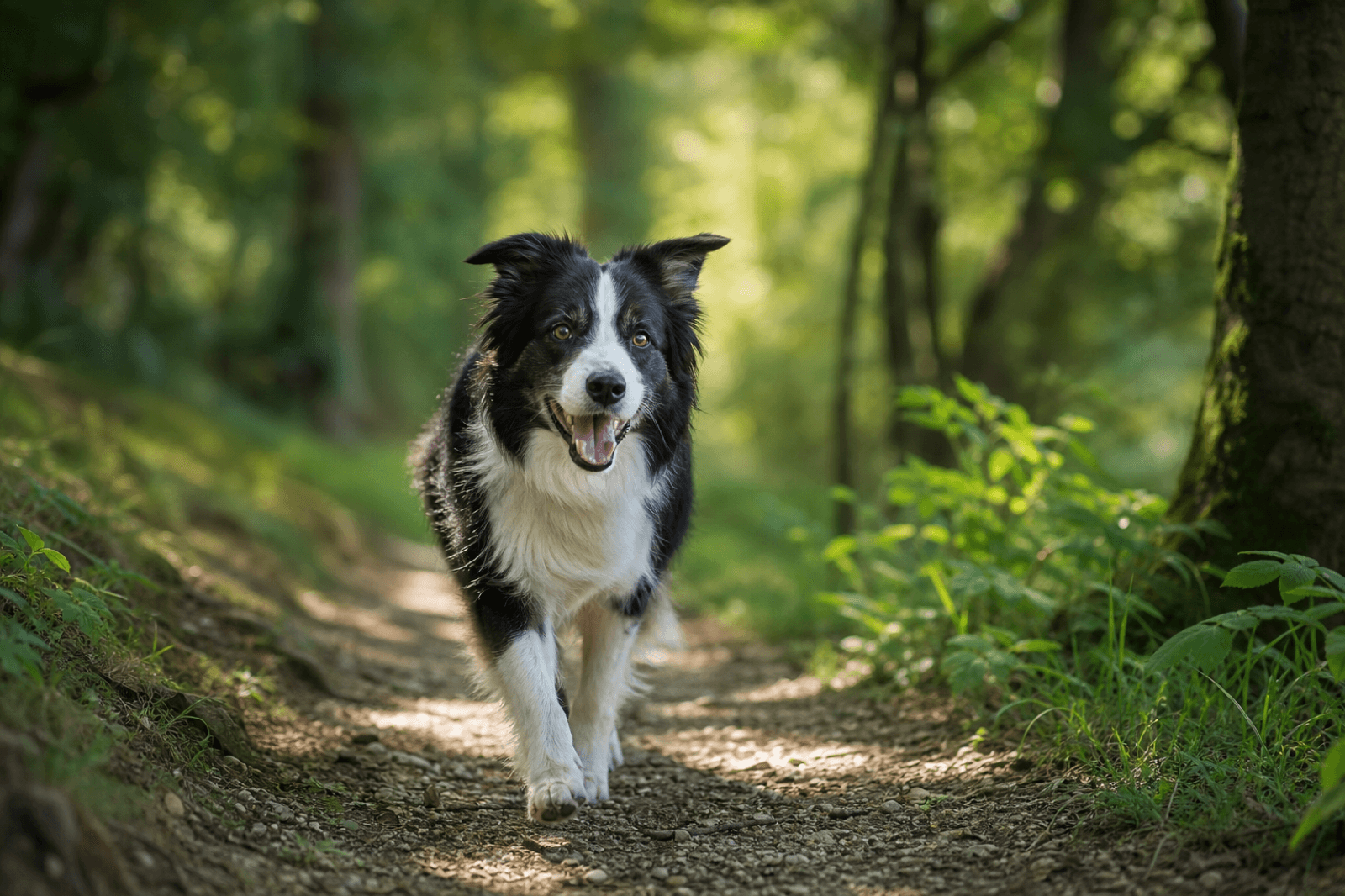
For dog memorial ideas writing a tribute that sounds like your companion, focus on the walks, greetings, play habits, and ordinary loyalty that shaped daily home life. Dogs are often remembered through routines: the lead by the door, the place they waited, the way they greeted each person differently.
A calm next step
Write down one walk route, one favourite toy, and one moment when their companionship changed the feeling of a room. This keeps the work small enough to begin and specific enough to feel meaningful.
A gentle reminder
A meaningful memorial does not need to be completed in one day. Many people begin with a short tribute and one photo, then add stories as memory and energy return. Slow, steady progress is still progress.